Ariadna na Naxu
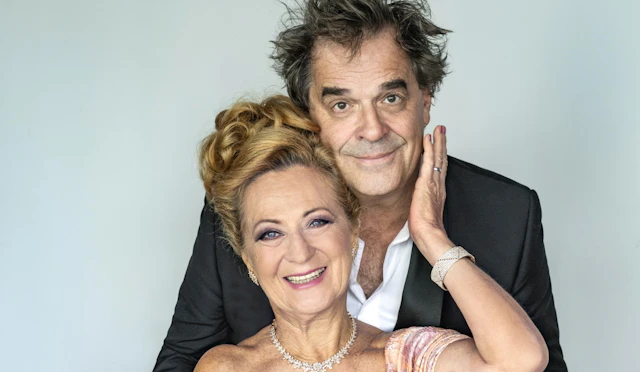
The principal theme of Ariadne auf Naxos is the competition and respect between “high” and “low” art. The spectators of Strauss’s piece have a choice – like when switching between television channels, for a while they watch a serious opera about Ariadne, abandoned by her lover, and for a while a low-brow farce about the frolicsome Zerbinetta. Thus was the decision taken by the wealthy host of the bizarre performance, which cannot run a millisecond longer than scheduled, as art will be followed by fireworks and supper …


Description
About
The principal theme of Ariadne auf Naxos is the competition and respect between “high” and “low” art.
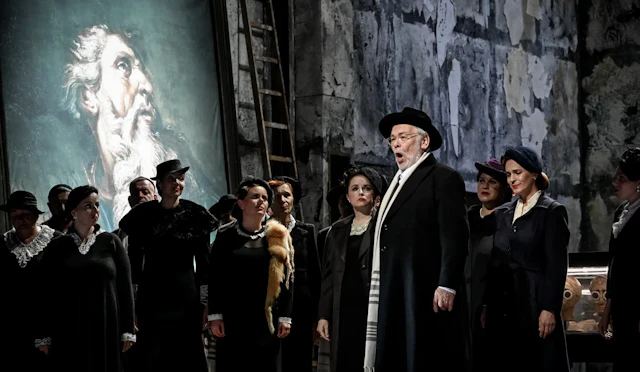
In the early 20th century, Richard Strauss shocked theatre-goers with two one-act operas, Salome and Elektra, that to an unprecedented degree conveyed heightened emotions by means of wild, ear-splitting musical expression, reaching sonic extremities. Yet the composer subsequently decided to change the style and make a conciliatory step towards opera audiences. First he wrote Der Rosenkavalier, a still widely popular piece, in which, however, the quintessential Straussian bustle both in the orchestra and on the stage still predominates, followed by the far more intimate and far more serene Ariadne auf Naxos. The latter’s original version, dating from 1912, was conceived as a postlude to Hugo von Hofmannsthal’s adaptation of Molière’s play Le Bourgeois gentilhomme, but in 1916 Strauss revised it into the form of an independent opera, in which it is most frequently performed today. Even though not anyhow indicated by the title, the principal theme of Ariadne auf Naxos is the competition and respect between “high” and “low” art. What is more, Strauss also reveals the timeless boorishness of those who, aiming to improve their poor cultural status, resolve to become “patrons of the arts”.
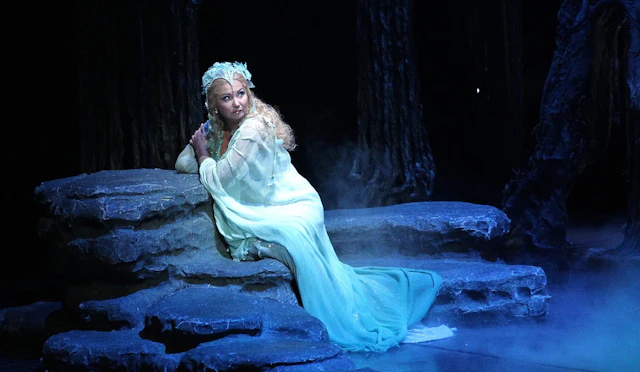
The spectators of Strauss’s piece have a choice – like when switching between television channels, for a while they watch a serious opera about Ariadne, abandoned by her lover, and for a while a low-brow farce about the frolicsome Zerbinetta. Thus was the decision taken by the wealthy host of the bizarre performance, which cannot run a millisecond longer than scheduled, as art will be followed by fireworks and supper …
Strauss’s “comedy/tragedy” is returning to the National Theatre in Prague after 45 years, this time as staged by the Slovak director Sláva Daubnerová, who has previously created for us several acclaimed adaptations of operas, including of Leoš Janáček’s The Excursions of Mr. Brouček and Rodion Shchedrin’s Lolita.
Creatives & cast
Stage director: Sláva Daubnerová
Sets: Lucia Škandíková
Costume design: Tereza Kopecká
Lighting design: Daniel Tesař
Videoart: Dominik Žižka
Conductor: Robert Jindra
National Theatre Orchestra
Venues
Performance teaser
You may also like
All eventsNabucco
The National Theatre


11.11.2026 - 24.2.2027
The State Opera Prague, Praha
Wernisch
The National Theatre

13.10.2026 - 24.2.2027
La Fabrika (Studio 1), Praha
The Magic Flute (Die Zauberflöte)
The National Theatre

31.10.2026 - 20.3.2027
The Estates Theatre, Praha
Rusalka
The National Theatre

21.11.2026 - 11.4.2027
The National Theatre, Praha
The Audience
The National Theatre

6.11.2026 - 28.3.2027
The Estates Theatre, Praha
The Secret
The National Theatre

6.11.2026 - 9.1.2027
The National Theatre, Praha