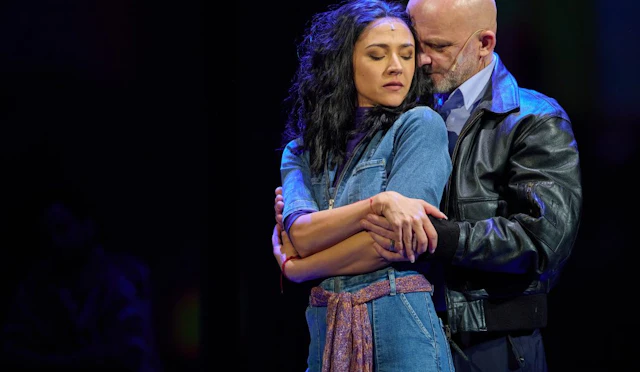
Pelléas et Mélisande
Claude Debussy’s only completed opera is a landmark of musical modernism.
All dates
Nedeľa
18.10.2026
19:00
The National Theatre
Praha
250 - 1490 Kč
Streda
21.10.2026
19:00
The National Theatre
Praha
250 - 1490 Kč
Sobota
31.10.2026
19:00
The National Theatre
Praha
250 - 1490 Kč
Štvrtok
5.11.2026
19:00
The National Theatre
Praha
250 - 1490 Kč
Nedeľa
8.11.2026
19:00
The National Theatre
Praha
250 - 1490 Kč


Description
About
National Theatre Chorus
National Theatre Orchestra
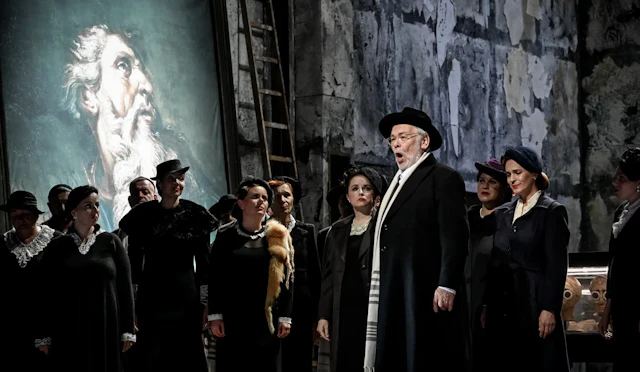
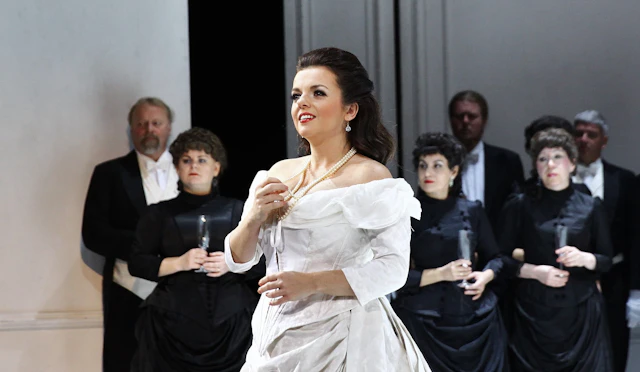
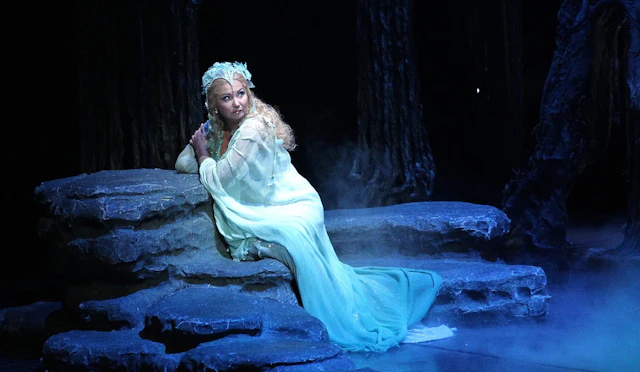
That which Claude Monet, Auguste Renoir or Odilon Redon meant for painting, Claude Debussy meant for music. His compositions, teeming with imagination, manifold colours and fleeting atmospheres, straddle two epochs – Romanticism and Modernism – actually co-forming the borderline itself. At the turn of the 20th century, the arts, music included, underwent ground-breaking changes, with opera being no exception. Pioneers of modern music – such as Debussy and Igor Stravinsky – assumed a rather standoffish attitude to the genre, hesitant as to how to approach the “obsolete form”. Debussy attempted to write several operas, yet only succeeded in a single case. The one and only opera he completed is the today iconic adaptation of the Belgian Symbolist Maurice Maeterlinck’s play Pélleas et Mélisande. Debussy’s setting is devoid of conventional grand operatic gesture and effect, giving preference instead to an intimate music drama, with everything decisive happening “between the lines” – in allusions, silence and delicate, symbolic details.
Harbouring the air of a medieval legend, or fairy tale even, the story of Pélleas et Mélisande focuses on the relationship of two men – one old, the other young – to a mysterious young woman. Yet of significance greater than the plot itself is the protagonists being unable to understand and find common ground – they keep loving in silence, yet remain alien to each other.
Debussy’s music brilliantly underlines this world: lacking the customary arias, it passes like speech and the changing orchestral colours give rise to a dreamy atmosphere of silence and suspension. This very temperance affords the opera its power.
Premiere performances: 15 and 18 October 2026 at the National Theatre
Cast
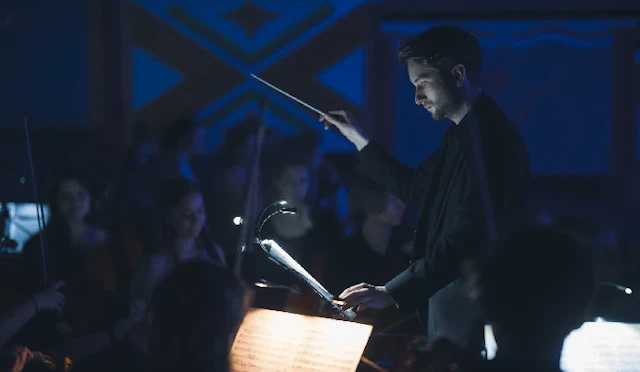
Conductor Patrick Fournillier
Creatives
Libretto Maurice Maeterlinck
Stage director Christof Loy
Sets and costumes Herbert Murauer
Light design Valerio Tiberi
Dramaturgy Ondřej Hučín
You may also like
All eventsGiselle
The National Theatre


11.6.2027 - 25.6.2027
The State Opera Prague, Praha
One of A Kind
The National Theatre

3.3.2027 - 10.3.2027
The National Theatre, Praha
Antigone
The National Theatre

18.3.2027 - 14.4.2027
The Estates Theatre, Praha
The Eye of the Storm
The National Theatre
1.6.2027 - 2.6.2027
The Estates Theatre, Praha
Death in Venice
The National Theatre
6.5.2027
The Estates Theatre, Praha
The Devil's Wall
The National Theatre

21.4.2027 - 23.6.2027
The National Theatre, Praha
The Tulip Fever
The National Theatre

11.11.2026 - 30.3.2027
The Estates Theatre, Praha
Katya Kabanova
The National Theatre

31.1.2027
The National Theatre, Praha
Dido and Aeneas
The National Theatre

2.12.2026 - 13.12.2026
The Estates Theatre, Praha
The Audience
The National Theatre

29.8.2026 - 27.12.2026
The Estates Theatre, Praha